UFC Fight Night Betting Guide: How Smaller Cards Offer Different Value
 Available in US
Some of the best bets I have placed in over a decade of UFC wagering came on Fight Night cards that most casual fans skipped entirely. No title fights, no massive names, no pay-per-view price tag, just twelve bouts with fighters most people had never heard of, and odds that were softer than anything you would find on a marquee PPV. The UFC is a billion-dollar operation generating over forty events a year, per TKO Group Holdings, but not all events generate the same attention. That uneven attention is your opportunity.
Fight Night vs Numbered PPV: Market Differences
A numbered UFC event. UFC 300, UFC 310, whatever the next blockbuster is – attracts enormous public betting volume. Casual fans who watch three or four cards a year open their apps specifically for PPVs, and their money floods into the moneyline on well-known fighters. Bookmakers respond by tightening their odds, reducing overrounds, and pricing the main-card fights with sharp precision. The result is an efficient market where edges are small and hard to find.
Fight Night cards operate in a different ecosystem. These events air on broadcast or streaming platforms without a pay-per-view barrier, yet they attract a fraction of the betting volume that PPVs generate. The fighters are typically unranked or lower-ranked, the matchups receive less media analysis, and the preview content from podcasts and YouTube channels is thinner. All of this means the bookmaker prices Fight Night fights with wider margins and less granular data, creating systematic opportunities for bettors who do their own research.
I have tracked my results separately for PPV and Fight Night cards for the past six years. My ROI on Fight Night bets runs roughly three percentage points higher than on PPV bets over the same period. The sample size is large enough to rule out luck, the difference is structural, driven by market efficiency rather than fight quality.
Thinner Markets, Softer Lines: Where the Edge Lives
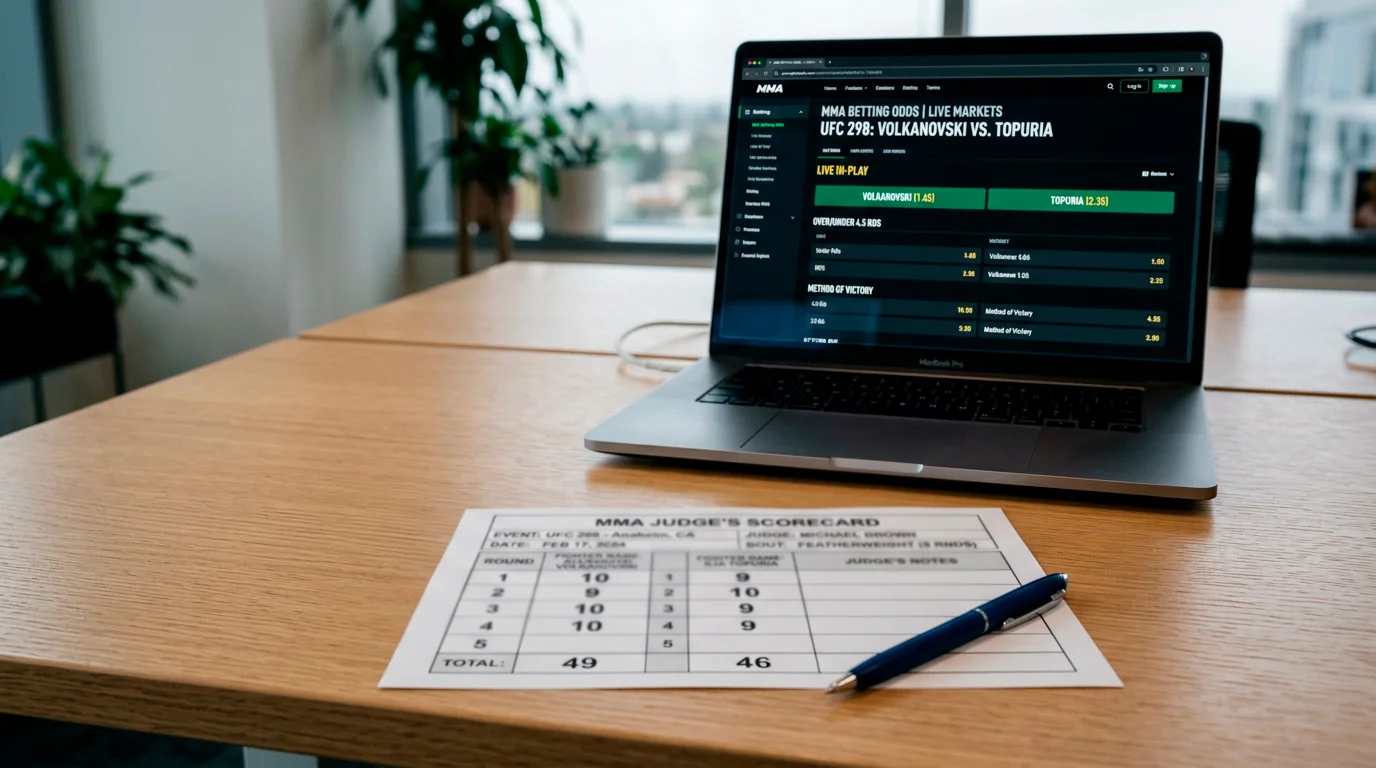
A PPV main event might offer twenty or more betting markets: moneyline, method of victory, round betting, over/under, multiple prop bets, exact result, and specials. A Fight Night prelim bout might offer three: moneyline, over/under, and maybe method of victory. Fewer markets means less complexity, but the markets that do exist are often priced less efficiently.
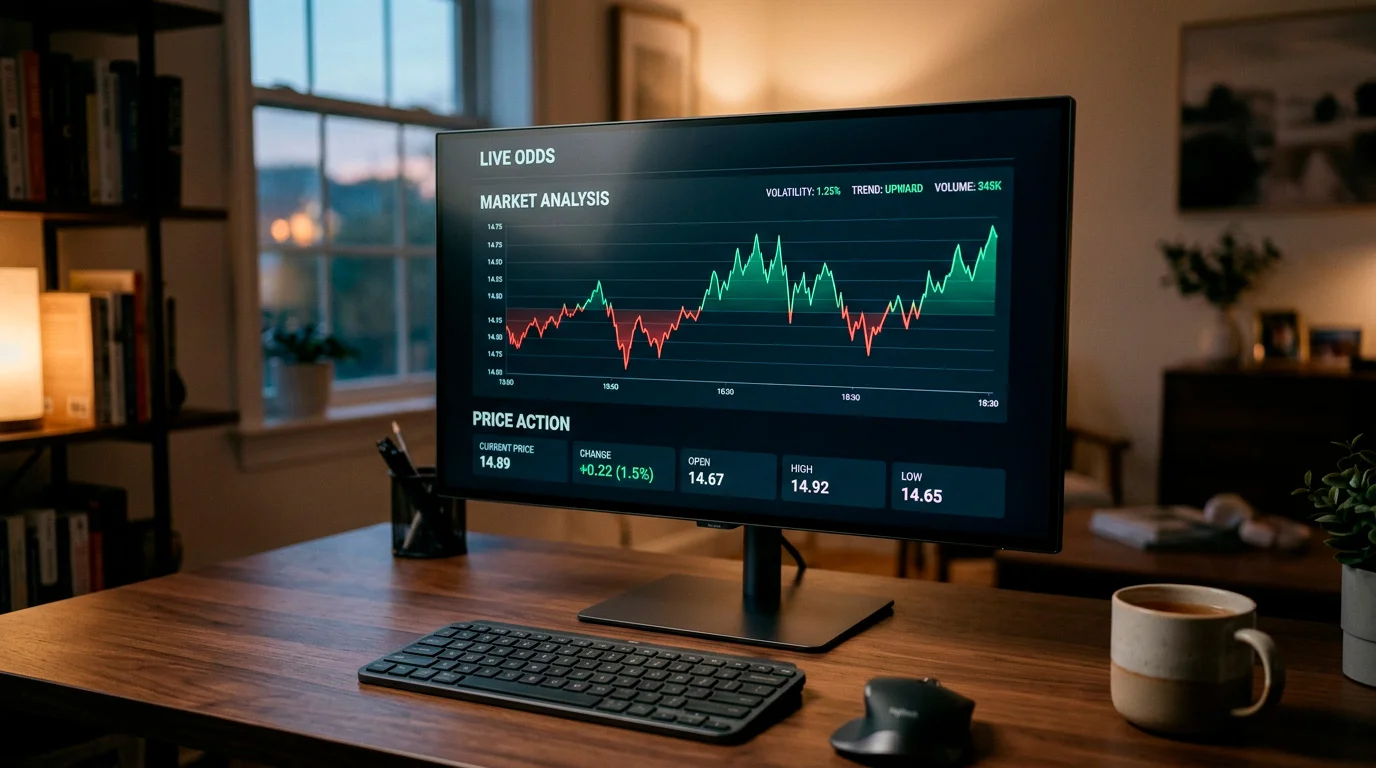
The moneyline on a Fight Night prelim is where I find the most reliable value. On PPV main cards, thousands of bettors are pricing the same fight, and sharp money corrects any inefficiency within hours of the line opening. On a Saturday-afternoon prelim featuring two fighters with a combined social media following smaller than a mid-table EFL club, the line might sit at its opening price until fight time because nobody bothered to move it.
That does not mean every Fight Night line is soft. Bookmakers use algorithmic pricing based on fighter records, division averages, and historical data, the opening line is not random. But the absence of volume-driven correction means the opening line’s imperfections survive longer. If your analysis identifies a five-point gap between the bookmaker’s implied probability and your own estimate, that gap is more likely to persist on a Fight Night card than on a PPV.
Research Advantage on Lesser-Known Fighters
Here is where Fight Night betting rewards genuine effort. When a ranked fighter headlines a PPV, every analyst and tipster in the country publishes a breakdown. The information is widely distributed, widely consumed, and already priced into the odds by the time you see it. When an unranked fighter headlines a Fight Night card, the coverage is sparse, and your own research becomes a competitive advantage rather than a confirmation of what everyone else already knows.
My research process for Fight Night cards follows a specific sequence. I start by watching each fighter’s two most recent bouts in full – not highlights, not GIFs, the entire fights. This takes time, but it reveals things that stats alone cannot: how a fighter reacts after getting hurt, whether they fade in the third round, how they handle pressure against the cage. UFC events have averaged 42 to 43 per year over the past five years, per PTF Lab data, which means roughly half are Fight Night cards. That is twenty or more events a year with potential research edges – more than enough to build a meaningful portfolio.
Second, I check the fighter’s regional record before they entered the UFC. A fighter who compiled a 10-0 record against low-level opposition in a regional promotion and then lost two of their first three UFC bouts is a different proposition from a fighter who went 7-3 against quality opposition and has adapted well since joining the roster. The trajectory matters more than the raw numbers.
Third, I look at training camp changes. A fighter who has recently moved camps or added a new coach may be improving in ways the market has not priced. Conversely, a fighter who has split from a successful coach may be regressing. This information is available through MMA media and social media, but it rarely makes it into mainstream betting analysis for Fight Night-level fighters.
Practical Tactics for Fight Night Cards
I apply three rules to every Fight Night card that I do not apply to PPVs.
First, I bet earlier in the week. On PPVs, I sometimes wait until weigh-in day to lock in my picks because the line movement tells me where the sharp money has landed. On Fight Nights, the lines barely move, so I take the opening price on Tuesday or Wednesday when it represents the best available value, rather than waiting for fight-day pricing that may not improve.
Second, I limit myself to prelim and early main-card fights. The Fight Night headliner – usually the only ranked matchup on the card, receives more public attention than the undercard, which means its pricing is closer to PPV-level efficiency. The true edge sits in the fights that air before the casual audience tunes in.
Third, I accept smaller sample sizes. With lesser-known fighters, I sometimes have only four or five UFC bouts to analyse. That is thin, and it means my probability estimates carry wider confidence intervals. I account for this by reducing my unit size on Fight Night bets, typically 1% of bankroll instead of my standard 2%. The edge per bet is larger, but the uncertainty is higher, so the sizing reflects both realities.
Fight Night cards are not glamorous. They do not produce the knockouts that trend on social media or the narratives that drive podcast episodes. But for bettors who treat this as a discipline rather than entertainment; they are where the consistent, quiet profit lives. The market’s indifference to these events is your in-play advantage, and it is not going away any time soon.
Do UK bookmakers offer fewer markets for UFC Fight Night events?
Generally, yes. A PPV main event might have twenty or more markets, while a Fight Night prelim may offer only moneyline, over/under rounds, and method of victory. The reduced market depth reflects lower public demand, but the markets that do exist are often priced less efficiently.
Are UFC Fight Night odds generally softer than PPV odds?
In my experience, Fight Night odds – particularly on prelim and early main-card bouts – are consistently softer than PPV odds. Lower betting volume means less correction from sharp money, which allows opening-line imperfections to persist closer to fight time.
How do I research lesser-known fighters on a Fight Night card?
Watch their two most recent bouts in full, review their regional record before entering the UFC, check for training camp changes or coaching updates, and compare their statistical profile against their upcoming opponent. Free resources like the official UFC stats platform and Tapology provide sufficient data for this level of analysis.
Prepared by the ufc Betting uk editorial staff.