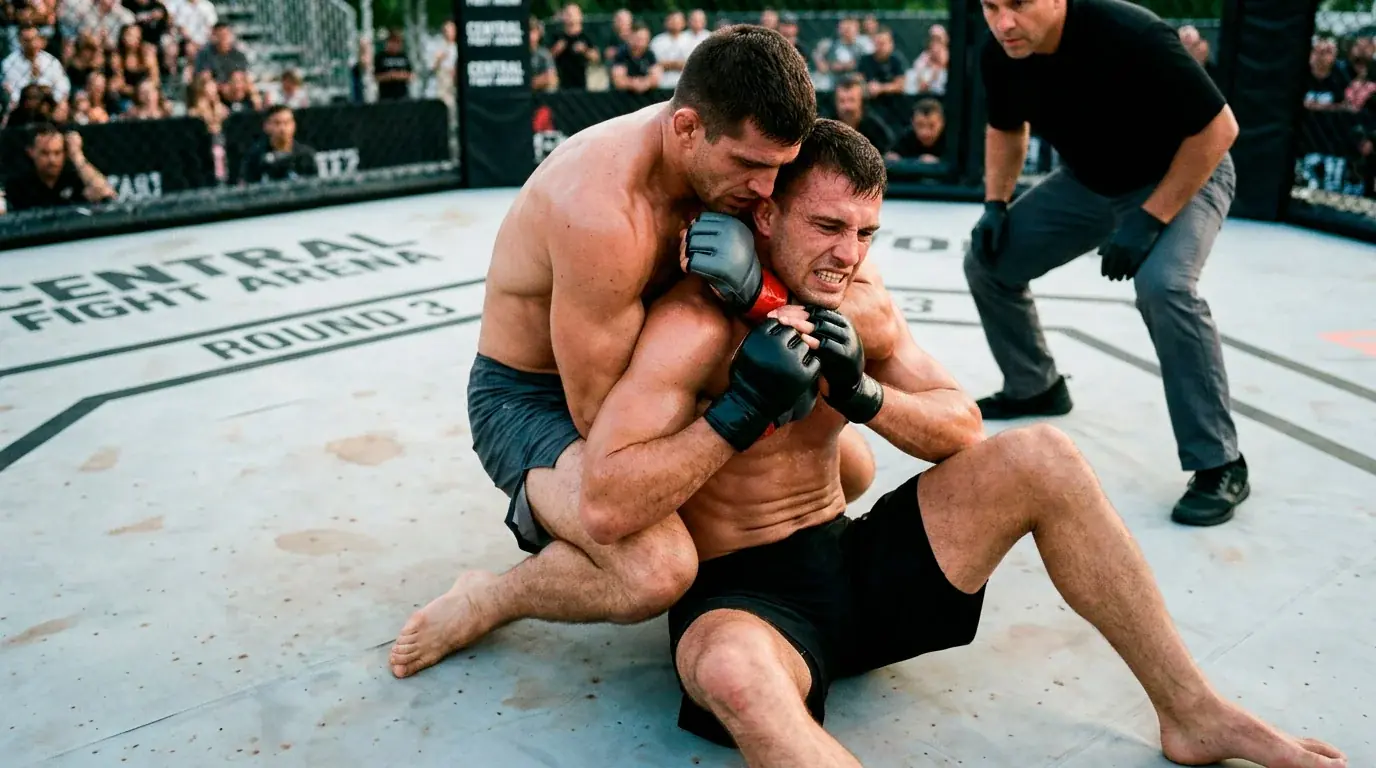
UFC Betting Line Movement: Reading and Reacting to Odds Shifts
 Available in US

In early 2024, I watched a lightweight fight’s odds shift from 1.80 to 1.55 on the favourite across four days, a massive move that had nothing to do with injury news or public hype. Sharp money was pouring in from accounts known to bookmakers as professional bettors, and the line adjusted accordingly. By the time casual punters placed their Saturday-night bets, the value was gone. That sequence plays out on nearly every UFC card, and learning to read it, or at least to recognise what it means, separates bettors who react from bettors who anticipate.
Why UFC Lines Move: Sharp Money, Public Money, News
The Unabated analytics platform described the core challenge perfectly: UFC odds are outrageously hard to price accurately, and that difficulty means opening lines carry imprecisions that the market gradually corrects throughout fight week. The correction happens through three distinct mechanisms.
Sharp money is the primary driver of early-week movement. Professional bettors and syndicates who specialise in MMA place large wagers on opening lines where they have identified a pricing error. Bookmakers track these accounts and respond by adjusting the odds, not because the sharp bettor is always right, but because their historical accuracy justifies the risk adjustment. If you see a line move significantly on Monday or Tuesday without any public news, sharp money is almost certainly responsible.
Public money drives late-week movement. Casual bettors typically place their UFC wagers between Friday afternoon and Saturday evening, closer to fight time, when the event is top of mind. Public money tends to favour the fighter with more name recognition, the more exciting style, or the one recommended by popular podcasts and social media tipsters. This volume compresses favourite odds and extends underdog odds, regardless of the underlying fight analysis.
News-driven movement is the most visible but least frequent catalyst. A fighter pulling out due to injury, a training camp disruption, a significant weight-cut issue, these events cause sudden, large line shifts that the market reprices within hours. UFC replaced DraftKings with bet365 as its official betting partner per SponsorUnited, and that partnership means bet365 often receives fight-related information marginally earlier than competitors, which can create brief pricing differences between operators before the market equalises.
Opening Lines vs Closing Lines: What the Gap Tells You
The gap between a fight’s opening line and its closing line (the final odds before the bout begins) encodes information about how the market assessed the fight over the course of the week.
When the favourite’s odds shorten significantly from opening to closing – say, from 1.80 to 1.55 – the market is saying that the opening line underestimated the favourite’s probability. Sharp money moved first, public money followed, and the consensus at close is that the fight is more lopsided than the opening price suggested. In these situations, backing the favourite at opening was the value play; by closing, the value has been extracted.
When the favourite’s odds drift – lengthening from 1.80 to 2.00, the opposite is happening. The market is correcting upward because sharp money has backed the underdog, suggesting the opening line overestimated the favourite. Drift on the favourite is a strong signal that the underdog may be live, and it is one of the most reliable indicators I use in my pre-fight analysis.
The global MMA betting handle reached $10.3 billion in 2024, per industry tracking, and the volume that drives these movements is getting larger each year. More money means faster, more efficient corrections, which means the window between a mispriced opening line and a corrected closing line is narrowing. Five years ago, a UFC opening line might have carried an exploitable error through to fight day. Today, most corrections happen by Wednesday or Thursday.
Reacting to Line Movement: When to Bet and When to Wait
My approach to line movement has evolved through trial and error. Early in my career, I tried to chase every move, buying when a line shortened, selling when it drifted. That strategy lost money because I was reacting to information that was already priced in by the time I noticed it.
Today, I follow a simpler framework. If my pre-fight analysis identifies value on a selection, I place the bet at the opening line and ignore subsequent movement. The opening line is where the most common pricing errors exist, and by acting early I capture value before sharp money corrects the price. If the line moves in my favour after I have bet (confirming my analysis), I note it as validation but do not add to the position. If the line moves against me (suggesting the market disagrees with my assessment), I review my analysis but do not panic, line movement is a signal, not a verdict.
There is one exception to this rule: when line movement reveals information I did not have. If a fighter’s odds drift sharply on Thursday and I subsequently discover a training camp issue or an injury rumour that explains the move, I reassess the bet on its merits. Movement without explanation is market noise; movement with explanation is actionable intelligence.
A practical tip: bookmark two or three odds tracking sites that show historical UFC line movement. Review the opening-to-closing movement on the previous week’s card before analysing the upcoming one. Over time, you develop an intuition for which operators move first, how fast public money arrives, and what “normal” movement looks like for different types of fights. That calibration makes it easier to spot abnormal movement – the kind that signals either sharp money or a news event, and to act on it before the rest of the market catches up. The odds format guide covers the mathematical relationship between odds shifts and implied probability changes, which helps you quantify whether a line movement is large enough to matter.
How early before a UFC fight do lines typically open?
Most UK bookmakers open UFC lines early in fight week – Monday or Tuesday for PPV events, sometimes Wednesday for Fight Night cards. Opening times vary by operator and by the profile of the event. Checking lines at multiple bookmakers on Monday gives you the widest window for identifying early-week value.
What does it mean when UFC odds move sharply in one direction?
A sharp, early-week move typically indicates professional or syndicate money entering the market on one side of the fight. A sharp, late-week move without obvious news may indicate insider information about a fighter’s condition or camp issues. In both cases, the direction of the move suggests which fighter the informed money favours.
Should I bet on the opening line or wait for closing line value?
Opening lines more frequently contain pricing errors that favour the bettor. Closing lines are more accurate but offer tighter margins. For most recreational bettors, placing bets at opening on selections where pre-fight analysis identifies value produces better long-term results than waiting for the market to settle.
Prepared by the ufc Betting uk editorial staff.