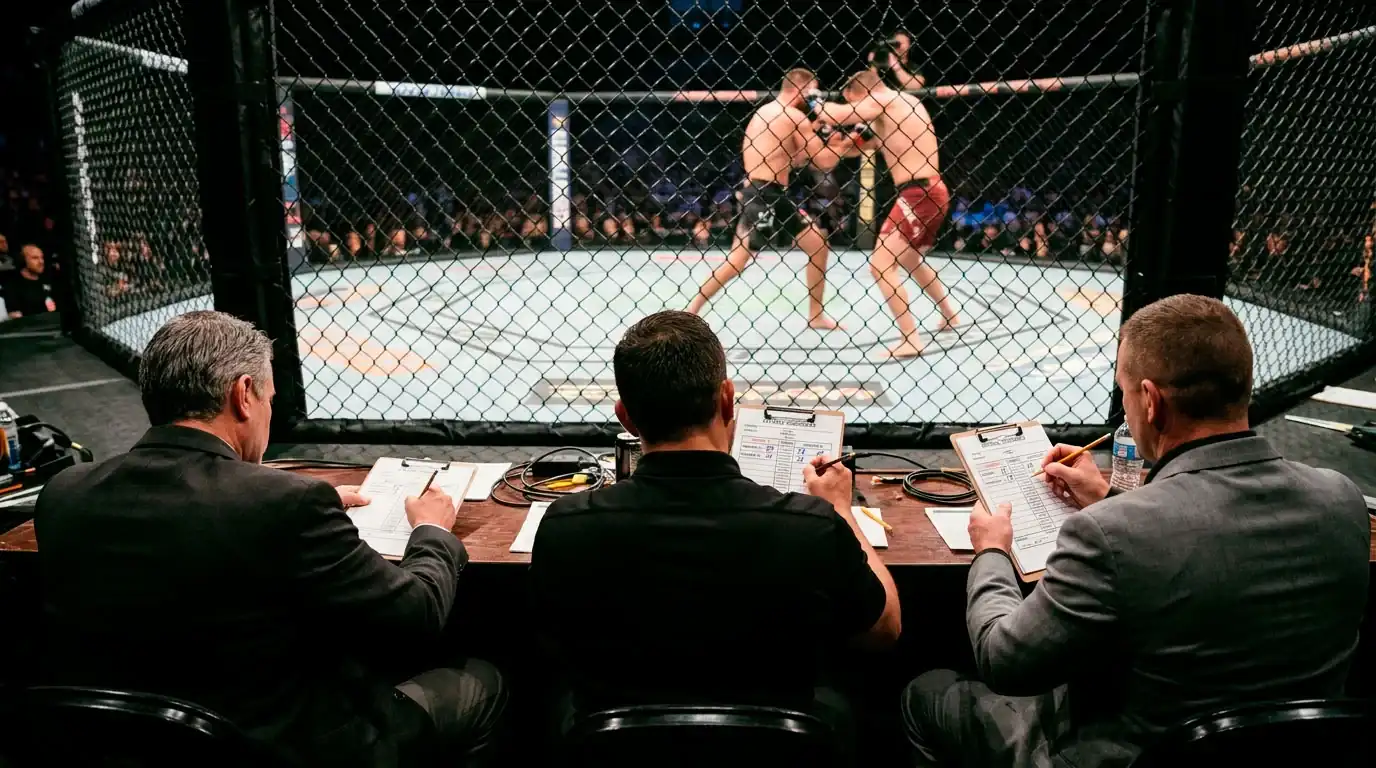
UFC Submission Bet Value: When the Grappling Market Offers an Edge
 Available in US
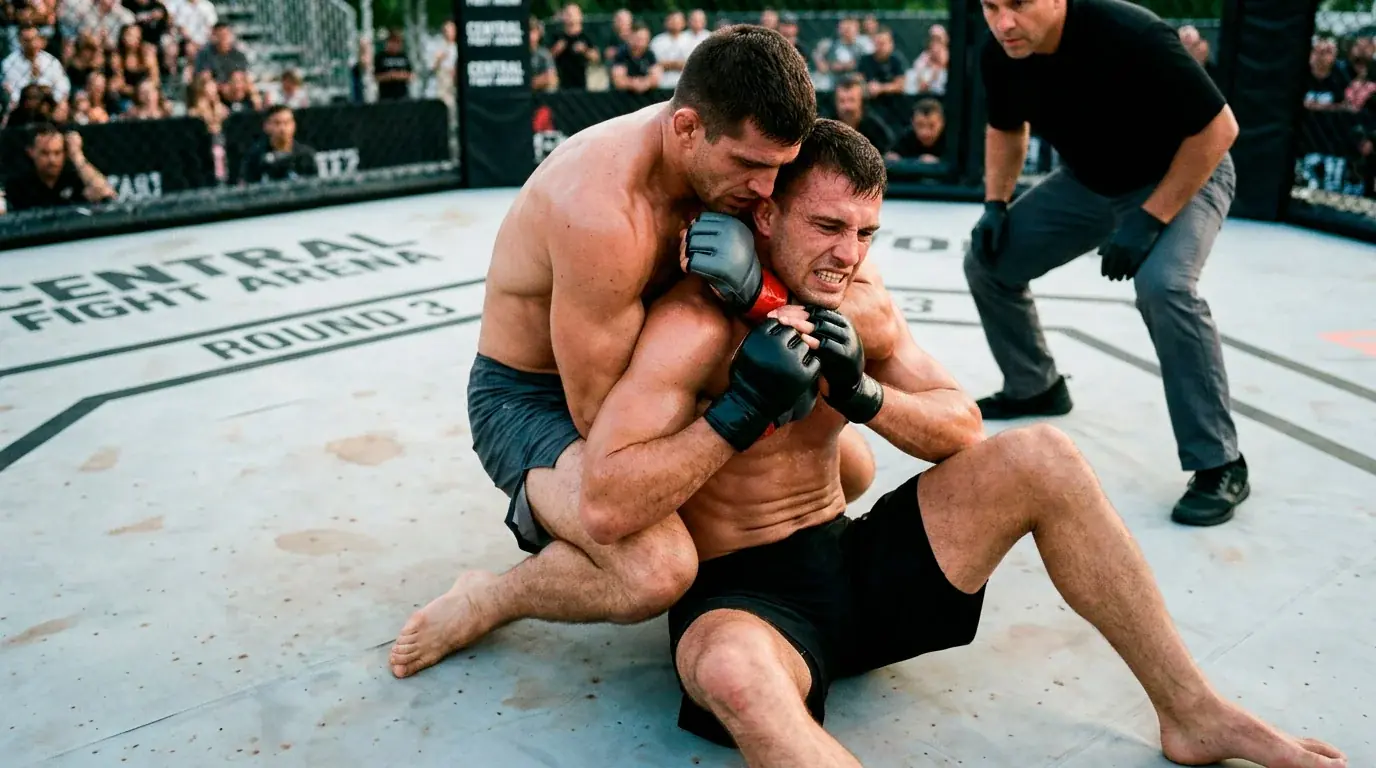
Submission betting is the least popular method-of-victory market in the UFC, and that unpopularity is exactly why I keep coming back to it. In twelve years of tracking my results, my highest ROI has consistently come from submission picks, not because I have some mystical grappling insight, but because fewer people bet this market, the odds are softer, and the mispricings are larger. UFC GGR has compounded at over 18% annually for the past five years, per Fight Matrix analysis, yet the surge in betting volume has disproportionately landed on knockout and moneyline markets. Submissions remain the quiet corner where patient bettors find edge.
How Submission Odds Are Typically Priced
Walk into any bookmaker’s UFC section and look at the method-of-victory odds for a middleweight bout between two strikers. The KO/TKO line will sit at maybe 2.50, the decision line at 3.00, and the submission line at 6.00 or higher. That pricing assumes the fight stays on the feet, and in this specific case; it is probably correct. But the same wide gap between submission and other method odds appears even in fights where grappling is the dominant skill set, because the bookmaker anchors to division-wide submission rates rather than matchup-specific grappling data.
Division-wide rates are useful starting points but terrible finishing points. The average submission rate across all UFC fights masks enormous variation: a fight between two elite grapplers at lightweight has a fundamentally different submission probability than a heavyweight bout between two brawlers, yet the method-of-victory pricing often does not reflect the full extent of that difference.
Another factor: the public tends to view submissions as unpredictable events – “anything can happen on the ground” – which leads them to treat submission odds as lottery tickets rather than calculated wagers. In reality, submissions are highly predictable when the right matchup conditions exist. Elite grapplers do not submit opponents by accident; they engineer positions through specific sequences of takedowns, transitions, and control that are visible in the data long before fight night. The market also underweights submission attempts as a predictive signal. A fighter averaging 2.0 submission attempts per fifteen minutes is actively hunting finishes on the ground in every fight. That frequency, especially against an opponent with a known vulnerability to chokes or arm locks, shifts the true probability of a submission finish well above what the posted odds imply. I price submission outcomes by starting with the attacker’s historical submission rate against comparable opposition, adjusting for the defender’s submission defence, and then comparing my estimate to the bookmaker’s implied probability. A gap of 8% or more is my threshold for a live bet.
Grappler Profiles That Signal Submission Value
Not every fighter with grappling credentials is a submission threat. The distinction matters for betting: some wrestlers use takedowns to control position and accumulate scoring time, while others actively transition toward finishing holds. Your money should follow the finishers, not the controllers.
The profile I look for combines three characteristics. First, a high submission attempt rate, anything above 1.0 per fifteen minutes indicates an active finisher rather than a positional controller. Second, a background in Brazilian jiu-jitsu or catch wrestling at a competitive level, which provides the technical vocabulary to capitalise on scrambles and transitions. Third, an opponent who has been submitted before or whose takedown defence sits below 60%, creating the opportunity for the grappler to reach the ground and work.
A fourth, less obvious factor: how the fight is expected to unfold in the striking exchanges. If the grappler is facing a volume striker who pushes forward aggressively, failed takedown attempts are more likely to result in scrambles – and scrambles are where submission specialists thrive. A passive counter-striker, by contrast, may give the grappler less forward pressure to exploit, reducing scramble frequency and therefore submission probability. Reading the stylistic interaction matters as much as reading the grappling stats.
The global MMA market grew from roughly 100 major events in 2020 to more than 200 by 2025, per PTF Lab tracking. That expansion brought hundreds of new fighters into the UFC pipeline, many from grappling-heavy regional promotions in Brazil, Dagestan, and Central Asia. These fighters arrive with elite ground skills but without the name recognition that drives casual betting volume, which means their submission probabilities are frequently underpriced. I have found some of my best submission bets on fighters making their second or third UFC appearance – the market has not yet calibrated to their grappling level.
Common Mispricing Patterns in Submission Markets
Three patterns recur often enough that I track them as part of my pre-fight research checklist.
The first is the “striker vs wrestler” narrative mismatch. When a fight is marketed as a stylistic clash between a knockout artist and a grappler, the public loads money onto KO/TKO for the striker. This influx compresses the knockout odds and – because the bookmaker needs to balance the book – stretches the submission odds beyond fair value. The grappler’s submission line gets longer not because the fight analysis demands it, but because market mechanics push it there. These are some of the purest value bets in the UFC.
The second is the “comeback grappler” effect. A fighter who lost his last bout by decision but has historically finished opponents via submission sometimes sees his submission odds lengthen disproportionately. The market reacts to the recent loss by marking down all method-of-victory probabilities, but the underlying grappling skill did not disappear; it was simply not deployed effectively in one specific matchup. Against a different opponent with different defensive liabilities, the submission threat resurfaces, and the price is often generous.
The third is division-level underpricing at lighter weights. Bantamweight and flyweight produce more submissions per event than middleweight or welterweight, partly because fighters at lighter weights are more agile on the ground, transition faster, and have the cardio to sustain grappling exchanges deep into later rounds. The bookmaker prices these divisions with the same general method-of-victory framework applied to heavier divisions, which systematically underestimates submission probability. If you are looking for consistent edge in submission markets, lighter weight classes are the place to start. The fighter stats guide covers how to read grappling metrics in detail.
One final point: submission value is seasonal in a way that knockouts are not. Fight cards with multiple grappling-heavy matchups tend to cluster on certain events, promoters match styles for entertainment balance, but the result is that some cards are disproportionately rich in submission opportunities. Scanning the full card for grappling matchups before narrowing to individual fights saves time and focuses your research where the edge is most likely to exist.
Are submission bets less popular than knockout bets among UFC punters?
Significantly. Knockout bets attract the most public money of any method-of-victory market because they are exciting and easy to understand. This lower volume on submission markets means bookmaker pricing receives less correction from sharp bettors, which creates more frequent and larger mispricings.
Which UFC division produces the most submissions?
Bantamweight and lightweight consistently produce the highest submission rates in the UFC. The combination of technical grappling skill, agility on the ground, and sufficient cardio to sustain grappling exchanges makes these divisions the most fertile ground for submission outcomes.
Created by the ”ufc Betting uk” editorial team.