UFC Knockout Bet Odds: Pricing KO/TKO Outcomes and Finding Value
 Available in US
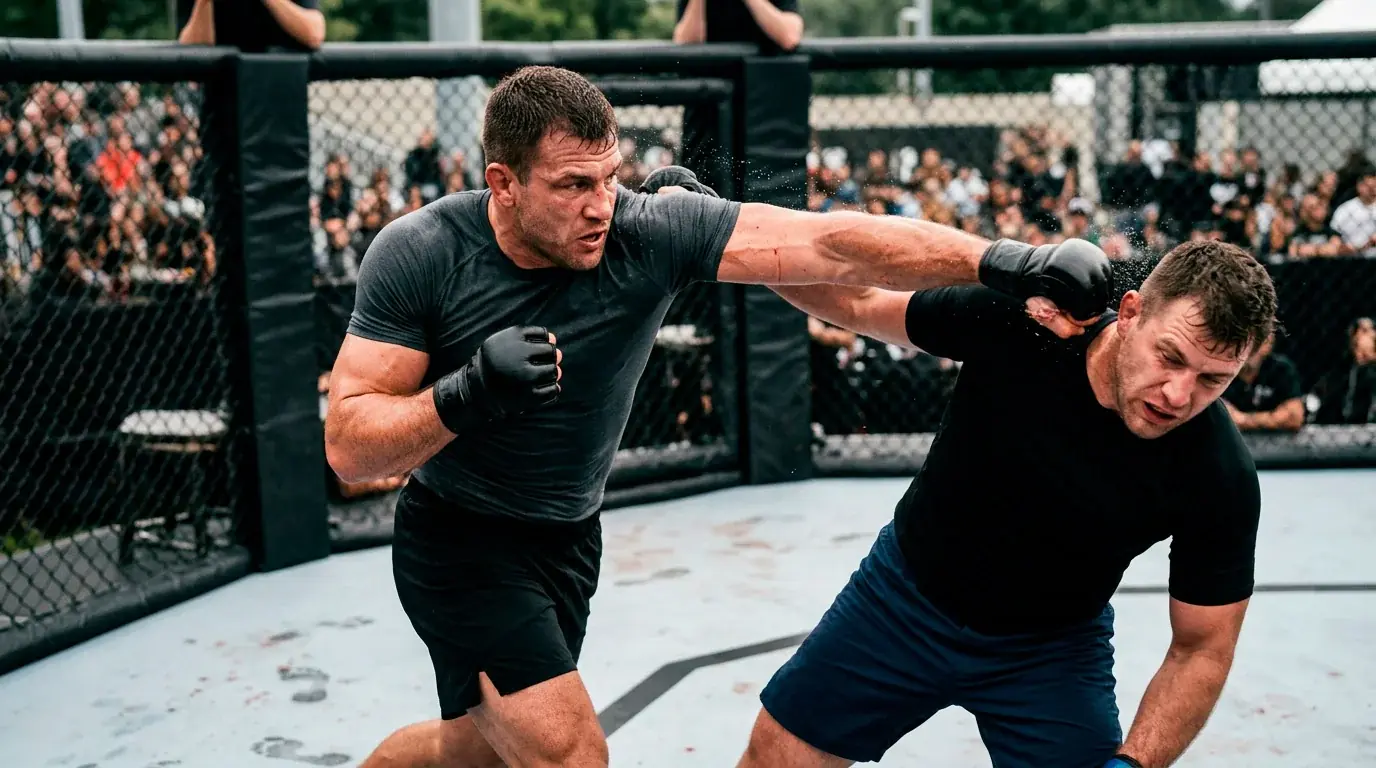
Knockouts sell pay-per-views. They sell highlight reels, social media clicks, and, most relevantly for us, betting slips. I have watched more money flow into UFC KO/TKO markets than into any other method-of-victory outcome, and that crowd behaviour creates a predictable pattern: the public overvalues knockouts, which means the bookmaker overcharges for them. Understanding that pattern is where profitable knockout betting begins.
The MMA market has expanded from approximately 100 major events globally in 2020 to over 200 by 2025, per PTF Lab estimates. More events mean more fights, more data, and more opportunities to identify where knockout odds are genuinely mispriced versus where they simply reflect the casual bettor’s excitement about a big punch.
How Bookmakers Price UFC Knockout Odds
A bookmaker does not set KO/TKO odds by watching highlight reels. The pricing process starts with historical finish rates for the division, then adjusts for fighter-specific data, career knockout percentage, knockout power metrics, opponent durability, and finally layers in the overround that guarantees the operator a margin regardless of outcome.
The Unabated analytics platform captured the core challenge perfectly: UFC odds are outrageously hard to accurately price, and the same challenges that bettors face apply to sportsbooks. A knockout is a binary event – it either happens or it does not, but the factors that influence it (a fighter’s chin, hand speed, timing, cage craft under pressure) are difficult to quantify. Bookmakers use proxies: past finish rates, opponent quality, and division norms. Those proxies are useful but imperfect, which is exactly why mispricings exist.
One factor that reliably distorts KO/TKO pricing is public perception. When a fighter gains a reputation as a “knockout artist” through social media or broadcast commentary, the KO/TKO line shortens because recreational bettors pile in. The bookmaker responds by tightening the price, not because the fighter’s actual knockout probability has changed, but because the volume of incoming money on that line needs to be balanced. The result is a KO/TKO price that reflects market demand more than fight probability, and that gap is where value-oriented bettors operate.
Knockout Rates by Division: Where Finishes Happen Most
Not all knockouts are created equal, and not all divisions produce them at the same rate. This is baseline knowledge that every KO bettor needs before pricing a single fight.
Heavyweight leads the UFC in knockout frequency. The combination of maximum allowable weight (265 pounds) and the physics of force generation means that almost every heavyweight carries fight-ending power. KO/TKO finishes account for the majority of heavyweight stoppages, and fights that reach the scorecards are the minority outcome.
Light heavyweight and middleweight follow, with KO/TKO rates that are lower than heavyweight but still represent a substantial share of outcomes. At these weights, the distinction between a power puncher and a volume striker becomes more relevant, not everyone at 185 or 205 pounds can end a fight with a single shot, and the fighters who can are priced accordingly.
Below middleweight, knockout rates decline progressively. Welterweight and lightweight fights end by KO/TKO less frequently because the fighters carry less mass, absorb strikes more easily, and recover faster between exchanges. By the time you reach bantamweight and flyweight, knockouts are the least common method of victory, not rare, but significantly less frequent than at heavyweight. UFC GGR has grown at over 18% CAGR in the past five years, per Fight Matrix data, which means more money flows into lightweight and featherweight KO markets than the finish rates justify. That influx creates systematic mispricing that patient bettors can exploit by focusing on the under-bet outcomes, decisions and submissions, in lighter divisions.
I keep a simple reference table on my desktop: each division’s historical KO/TKO rate as a percentage of total outcomes. When I price a knockout line, I start with the division’s base rate and adjust based on the specific fighters involved. If the bookmaker’s implied probability for KO/TKO exceeds my adjusted estimate by more than five percentage points, I flag it as a potential fade, meaning I back the alternative outcome rather than the knockout.
Spotting Value in KO/TKO Lines
Value in knockout markets is not about predicting which fights end in a knockout. It is about identifying where the odds offered by the bookmaker understate or overstate the true probability of a KO/TKO finish.
The first signal I look for is a disconnect between a fighter’s knockout reputation and their recent data. A fighter who knocked out three consecutive opponents two years ago but has gone to decision in his last four fights is likely overpriced on the KO/TKO line. The market remembers the highlights; the data shows a different trajectory. Conversely, a fighter whose knockout rate has increased over his last three bouts – perhaps because he switched camps and improved his striking – may be underpriced if the market is still anchored to his career-long average.
The second signal is opponent chin durability. Some fighters have never been knocked out across fifteen or twenty professional bouts, and that durability rarely receives adequate weighting in KO/TKO pricing. When a known power puncher faces a fighter with an elite chin, the knockout line should be longer than it typically is, because the market overweights the power puncher’s offence and underweights the opponent’s defensive resilience.
The third signal is late replacements and short-notice fights. When a fighter steps in on two or three weeks’ notice, the KO/TKO probability for their opponent often increases, the replacement may be less prepared, less familiar with the game plan, and more vulnerable to an early blitz. The bookmaker usually adjusts the moneyline for late replacements but sometimes underadjusts the method-of-victory pricing, creating a window for KO/TKO bets at better odds than the situation warrants.
A fourth, less obvious signal: the specific location of the fight. Events held at altitude, such as those in Mexico City or Denver, affect cardio and recovery. Fighters who rely on volume striking to set up a finish may fade earlier than expected, which can suppress knockout probability in later rounds even if the early-round KO chance is unchanged. Altitude is rarely priced into method-of-victory markets with the specificity it deserves. I have found the most consistent edge in fading overpriced knockouts rather than backing them. When the implied probability of KO/TKO exceeds 50% and my analysis suggests 35%, I bet the alternative – typically the decision market, which is structurally underpriced for the reasons outlined there. This contrarian approach requires discipline and a willingness to miss the occasional spectacular finish, but over a season of fight cards, the maths works decisively in its favour.
Is there a difference between KO and TKO for betting purposes?
For most UK bookmakers, KO and TKO are combined into a single market – a bet on KO/TKO wins regardless of whether the stoppage comes from a single knockout blow or from a referee intervention after sustained damage. A few operators offer separate KO-only and TKO-only markets on major fights, but these are niche offerings.
How does a fighter’s chin reputation affect knockout odds?
A fighter known for absorbing heavy shots without being dropped typically causes the KO/TKO line for their opponent to lengthen. However, the adjustment is often insufficient – bookmakers rely on division-wide finish rates as a baseline, so individual chin durability is underweighted in the odds more often than overweighted.
Published by the ufc Betting uk team.