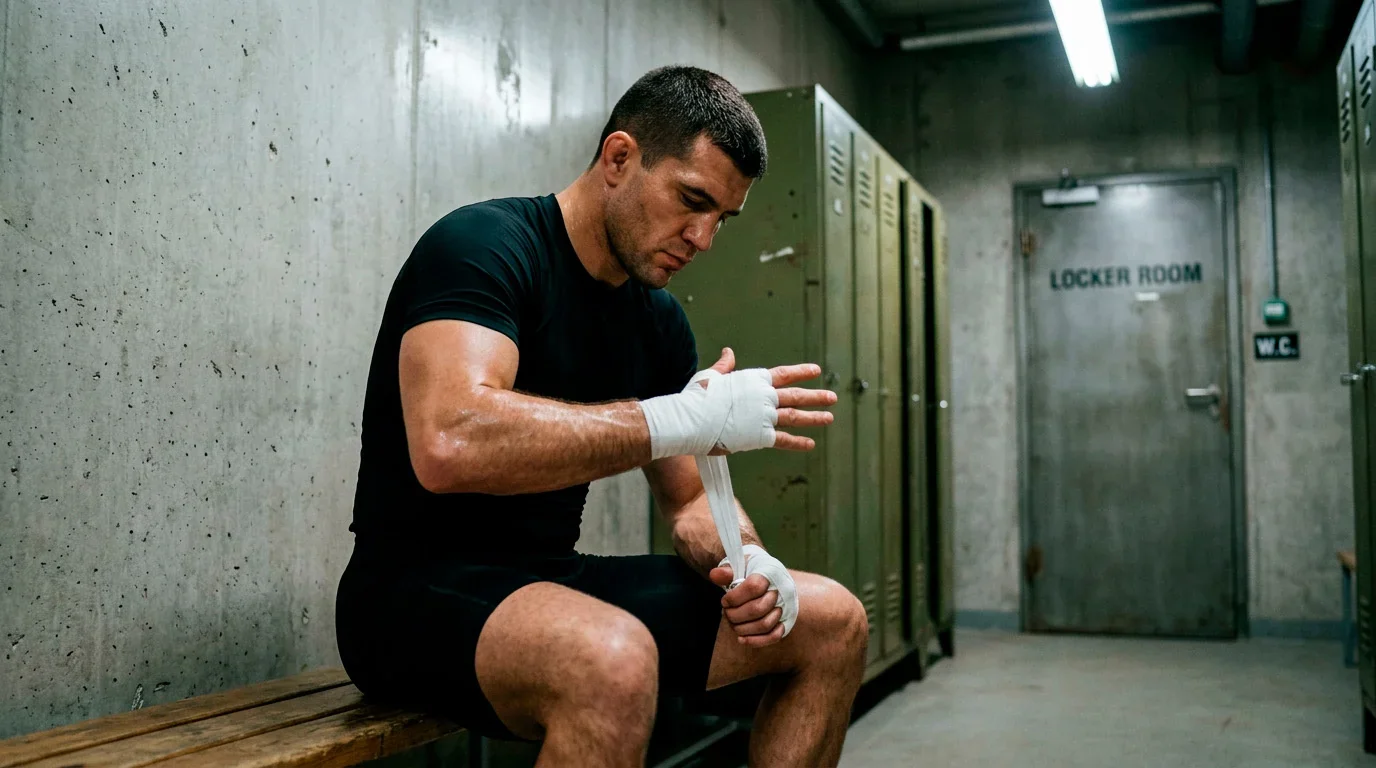
UFC Betting Mistakes to Avoid: Lessons From Common Punter Errors
 Available in US
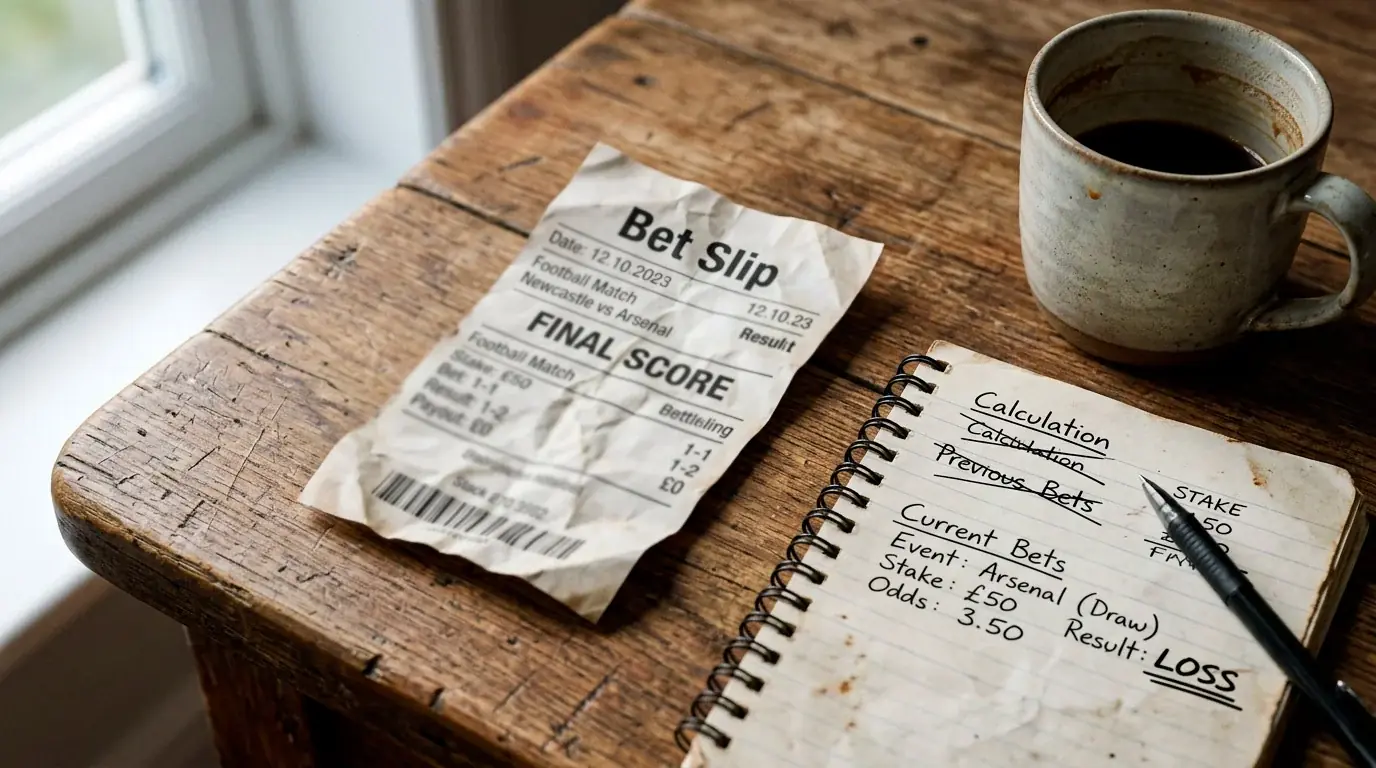
I keep a file on my laptop called “Losses I Deserved”. Every entry describes a bet I should not have placed, not because the outcome was wrong, but because the process was wrong. Bad reasoning that happened to produce a winner does not get saved. Good reasoning that ran into bad luck does not get saved either. The file contains only the bets where I broke my own rules, ignored my own data, or let emotion override analysis. Twelve years in, the file is long, and the patterns it reveals are the same patterns I see repeated across the UFC betting community every single fight night.
Betting on Names Instead of Data
This is the single most expensive mistake in UFC betting, and almost every punter makes it at some point, including me, more times than I care to admit.
A famous fighter with a large social media following, a highlight reel of knockouts, and a promotional machine behind them attracts enormous casual betting volume. That volume compresses their odds, often to a point where the price no longer reflects the actual probability of winning. You are paying a premium for the name, and the bookmaker is happy to collect it.
UFC GGR has compounded at over 18% annually for five years, per Fight Matrix, and the growth in casual betting volume has amplified this effect. More money flows into recognisable names, which means the mispricing on well-known fighters has widened over time, not narrowed. The value, structurally, sits on the other side – with the opponent whose record is strong, whose recent form is excellent, but whose name does not sell pay-per-views.
The fix is straightforward but requires discipline: never bet on a fighter because you know their name. Bet on them because your analysis of striking metrics, grappling data, style matchup, and recent form supports a probability estimate that exceeds the bookmaker’s implied probability. If you cannot articulate why a fighter wins beyond “they are good” or “they always deliver”, you are betting on a brand, not a fight.
Ignoring Style Matchups
Records lie. A fighter with a 15-2 record who built those fifteen wins against grapplers may be fundamentally unprepared for a volume striker. A wrestler with dominant takedown numbers may have never faced an opponent with elite takedown defence. The raw record tells you how many fights a fighter has won; the style matchup tells you whether this specific fight suits their skills.
I made this mistake repeatedly during my first few years, backing fighters with impressive records without investigating how those records were compiled. The correction was painful: I started losing consistently on fighters who looked great on paper but were facing stylistic nightmares. A southpaw counter-striker against an orthodox pressure fighter produces a completely different probability profile than two orthodox volume strikers, even if all four fighters have similar records.
Style analysis is time-consuming. It requires watching tape, understanding how different fighting techniques interact, and assessing which fighter’s preferred range and rhythm the bout is likely to be contested in. But it is the single analytical skill that separates bettors who win long-term from those who break even or lose. Bookmaker algorithms price fights based on statistical inputs; they do not watch tape. When your tape analysis contradicts the statistical model; that is where value lives.
Chasing Big Parlay Payouts
The five-leg accumulator at 20/1 that your mate hit last month is the worst thing that could have happened to your betting process. Not because parlays are inherently bad, they have their place, but because that single big payout creates a powerful psychological anchor that distorts your decision-making for weeks or months afterward.
The maths on accumulators is unforgiving. Each additional leg multiplies the probability of failure, and in a sport where a single punch can produce an upset, four and five-leg parlays fail far more often than they succeed. The expected value of a typical UFC accumulator is negative for the bettor – the bookmaker’s overround compounds across each leg, and the combined margin makes profitability over a meaningful sample nearly impossible.
I cap my accumulator activity at three units per month, a tiny fraction of my overall betting budget. The rest goes into singles and the occasional double where my conviction on both legs is high. If you are spending more on accumulators than on singles; you are subsidising the bookmaker’s margin with your entertainment budget. The Gambling Commission’s PGSI data shows that 2.7% of UK respondents exhibit risk indicators for loss of control – and habitual parlay chasing, with its boom-and-bust emotional cycle, is a pattern that correlates strongly with escalating risk.
Emotional Wagering After Losses
The fight before the one you are about to bet on just cost you three units. Your fighter got caught with a shot in the first round and your pre-fight analysis went in the bin. The next bout starts in twelve minutes. Your instinct says: bet bigger, recover what you lost, get back to even before the main event.
That instinct is the most reliable bankroll killer in sports betting. It is not about the specific bet – it is about the emotional state in which the bet is placed. A decision made from frustration, from a desire to “win it back”, from the need to prove that your analysis is not broken – that decision is compromised before you even look at the odds.
My rule is mechanical: if I lose two consecutive bets on a single card, I stop betting for the rest of the event. No exceptions. The third fight might offer genuine value, but my ability to assess it objectively after two losses is degraded. The expected cost of missing one good bet is lower than the expected cost of placing three bad bets in an emotional state.
If you take one thing from this entire article, let it be this: the most profitable skill in UFC betting is knowing when not to bet. Every error on this list, name bias, style ignorance, parlay chasing, emotional wagering, shares a common root: acting without a process. Build the process, trust the process, and accept that some nights the process says “do nothing”. Those nights protect everything the other nights build. For a structured approach to building that process from the ground up, the strategy framework provides the analytical foundation that keeps emotion out of the equation.
What is the most common mistake new UFC bettors make?
Betting on name recognition rather than data-driven analysis. Famous fighters attract disproportionate public money, which compresses their odds below fair value. New bettors who back well-known names without analysing the specific matchup are consistently overpaying for their selections.
How do I stop chasing losses when betting on UFC?
Set a mechanical stop-loss rule before the card begins – for example, stopping all betting activity after two consecutive losses on the same event. The rule must be absolute and predetermined, not negotiated in the moment. Reviewing your loss-chasing history in your betting records helps reinforce the discipline.
Is it a mistake to bet on every fight on a UFC card?
Yes. A typical UFC card has twelve to fourteen fights, and no bettor has a genuine analytical edge on all of them. Betting every fight dilutes your bankroll across selections with varying confidence levels. Restricting activity to three to five fights where your analysis identifies clear value produces better long-term results.
Prepared by the ufc Betting uk editorial staff.